
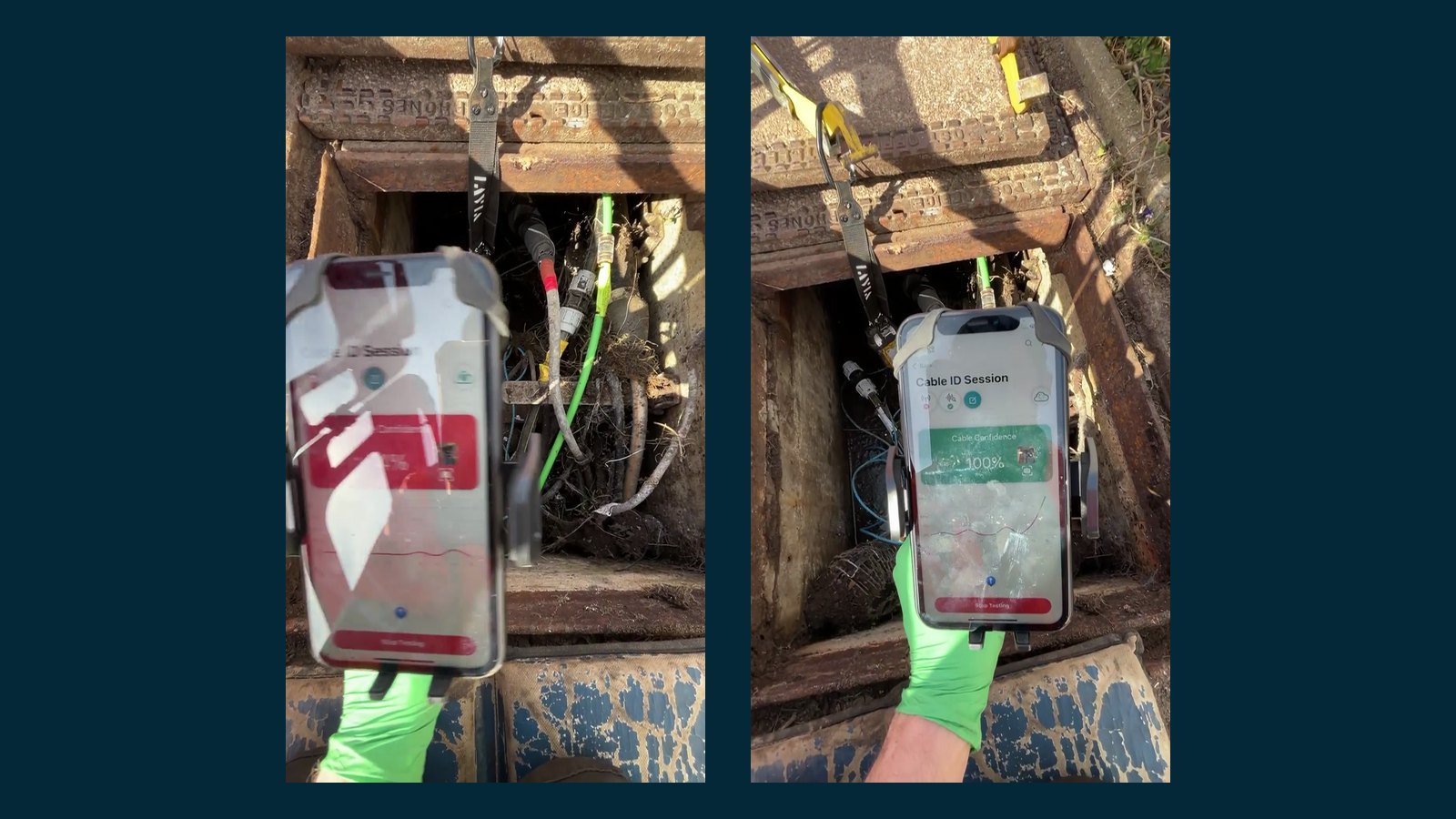
Openreach has highlighted the results of an 18-month field trial of the SkillsBase Cable ID tool, reporting zero mis-cuts when the tool was used.
The feedback also described engineers identifying target cables in under a minute, demonstrating the potential for more efficient copper recovery alongside the protection of existing services.
Why it matters
As fibre replaces legacy services, copper recovery is becoming an important part of network modernisation. But copper cables often share ducts and joints with cables still carrying live services, and a mis-cut can interrupt customers who should not be affected. For teams working with legacy infrastructure, identifying the correct cable is a critical step before recovery can proceed.
How Cable ID works
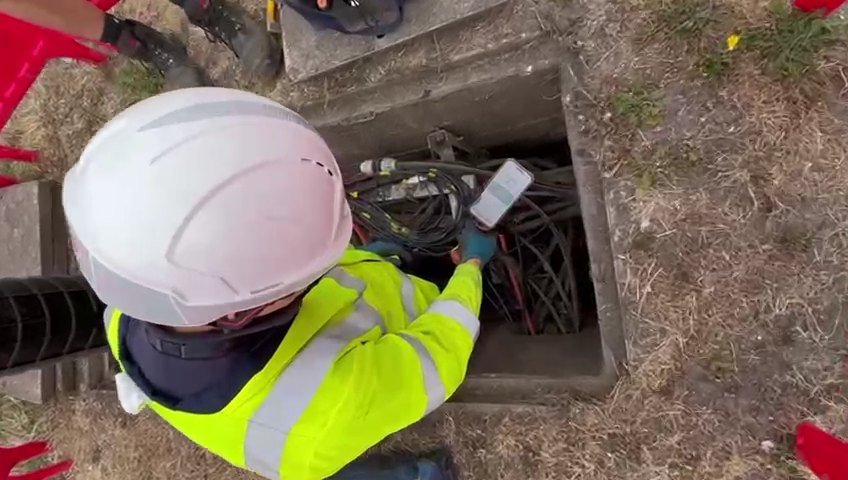
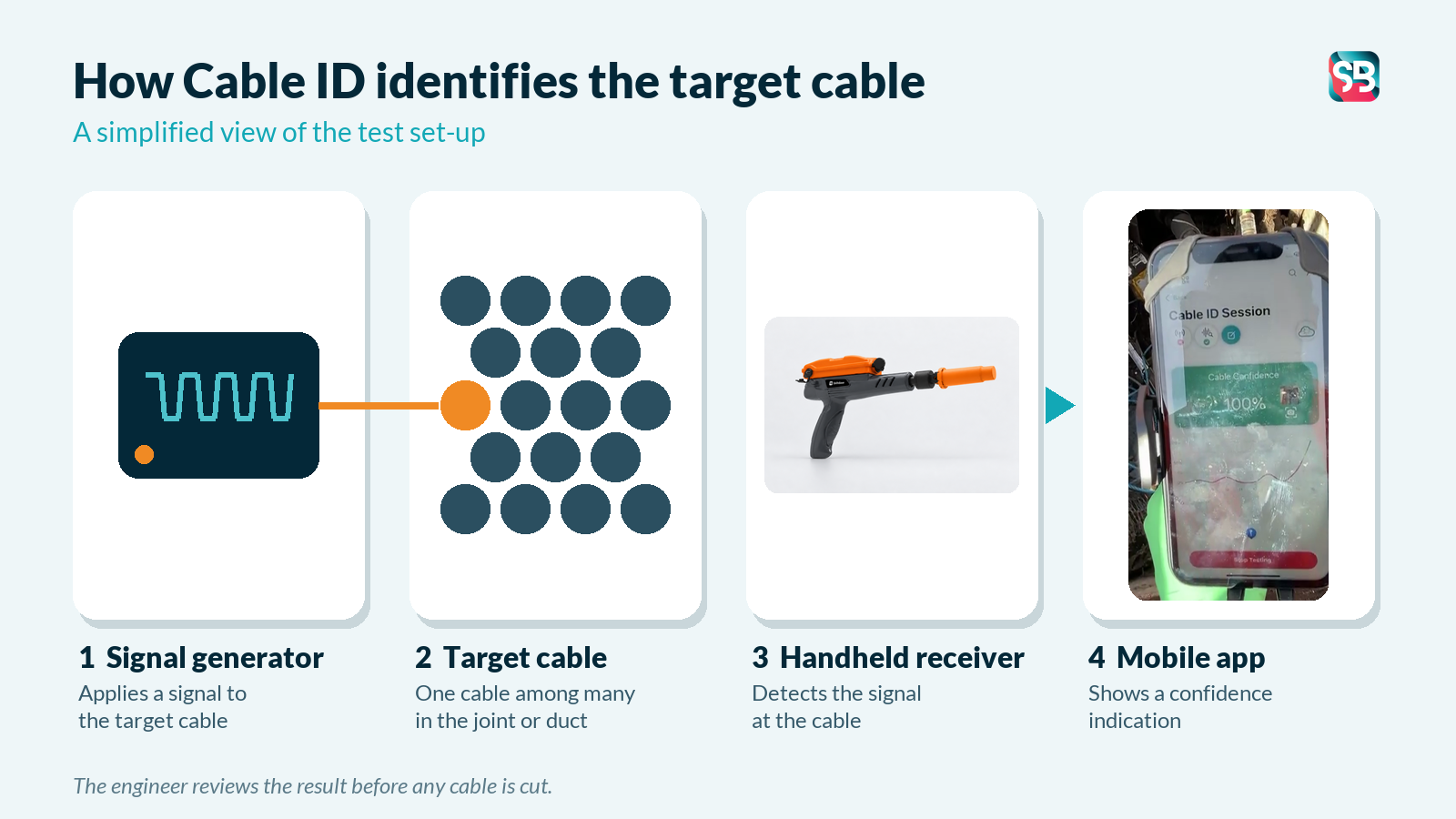
The SkillsBase Cable ID system combines a signal generator, handheld receiver and mobile app. The generator applies a signal to the target cable, the receiver detects it, and the app provides a confidence indication to support the engineer’s assessment.
A milestone from real field use
The trial result is an important milestone for SkillsBase because it reflects use by engineers in operational conditions. The zero-mis-cut outcome relates specifically to the reported trial and occasions when the tool was used; it is not a guarantee that every future activity will be free from error.
We thank Openreach and the engineers involved for their collaboration and feedback throughout the development and trial process. To find out more about Cable ID, contact the SkillsBase team.