
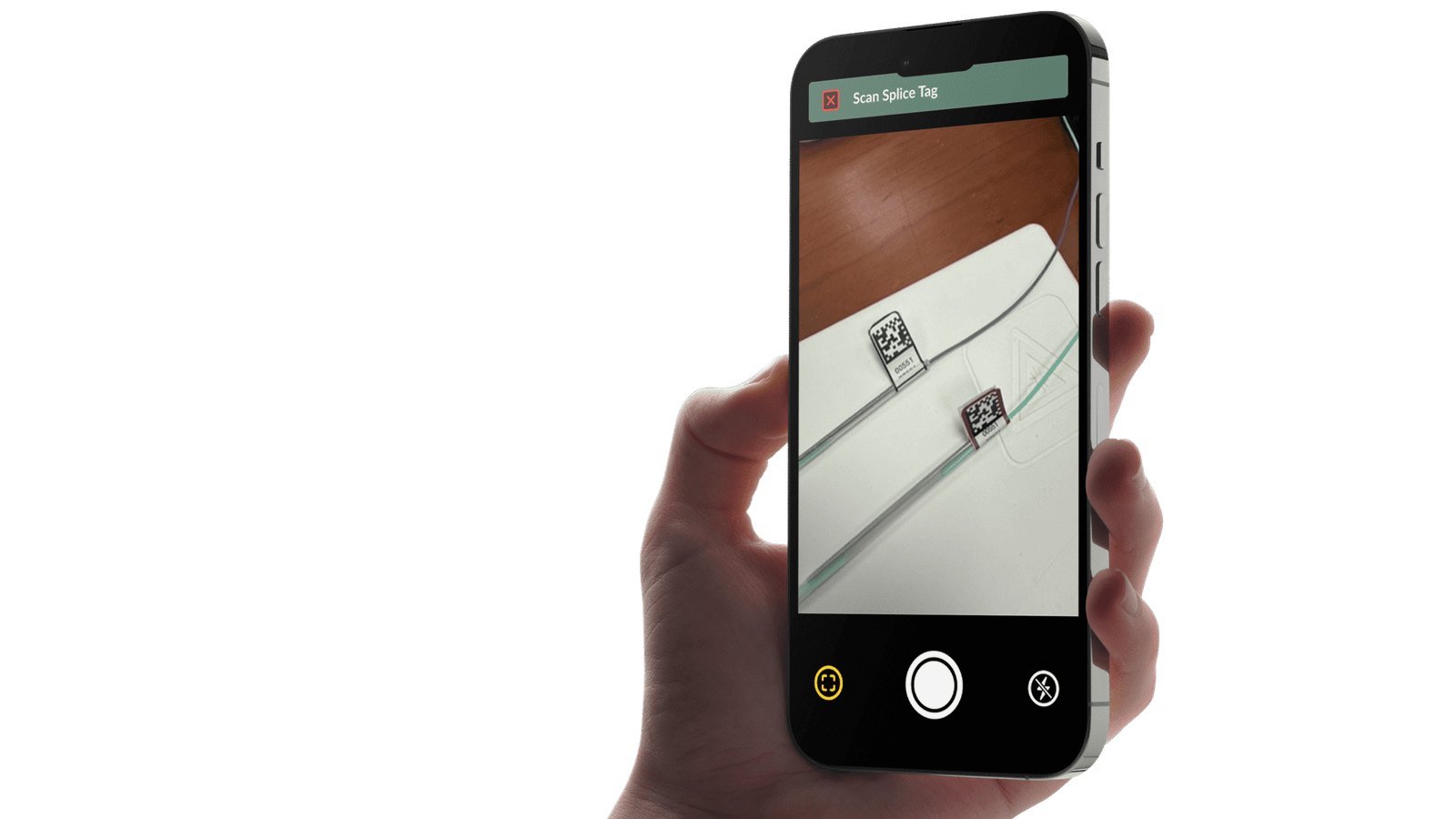
A splice test provides valuable information at the point of installation. Linking that result to a lasting digital record makes it useful long after the engineer has left the site.
Too often, though, that information has a short life. A result is read on site, perhaps noted on a job sheet, and then becomes difficult to find when someone needs it later. When a fault is reported or a section of network is audited, the team investigating may have to reconstruct what happened at installation from incomplete paperwork, or send someone back to site to find out.
Connecting the test to the asset
SkillsBase’s approach to digital traceability connects splice testing with asset identification. Using a coded tag and the companion app, engineers can associate a splice with its test results, job notes, location, timestamp and engineer details. This creates a record that can be retrieved when the network needs to be inspected or maintained.
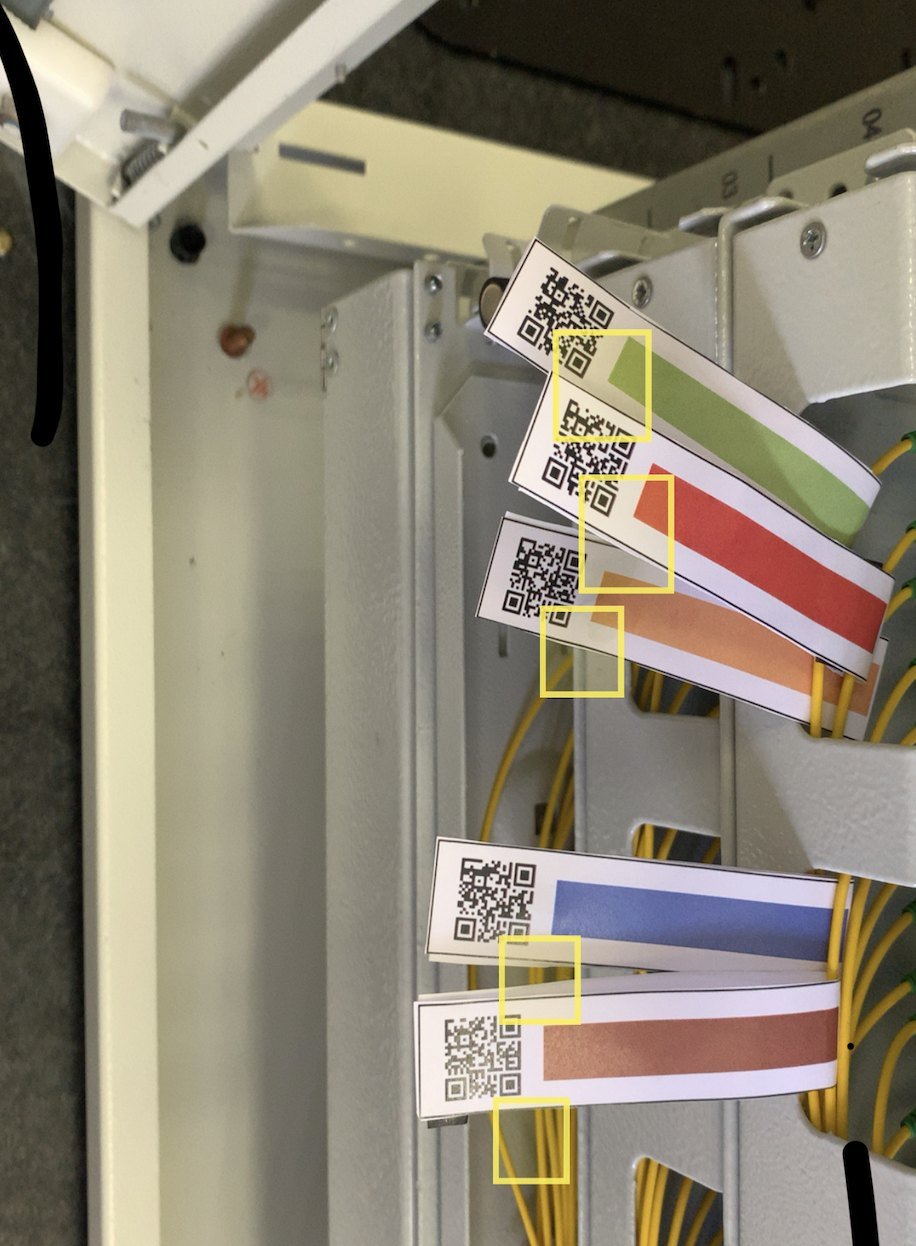
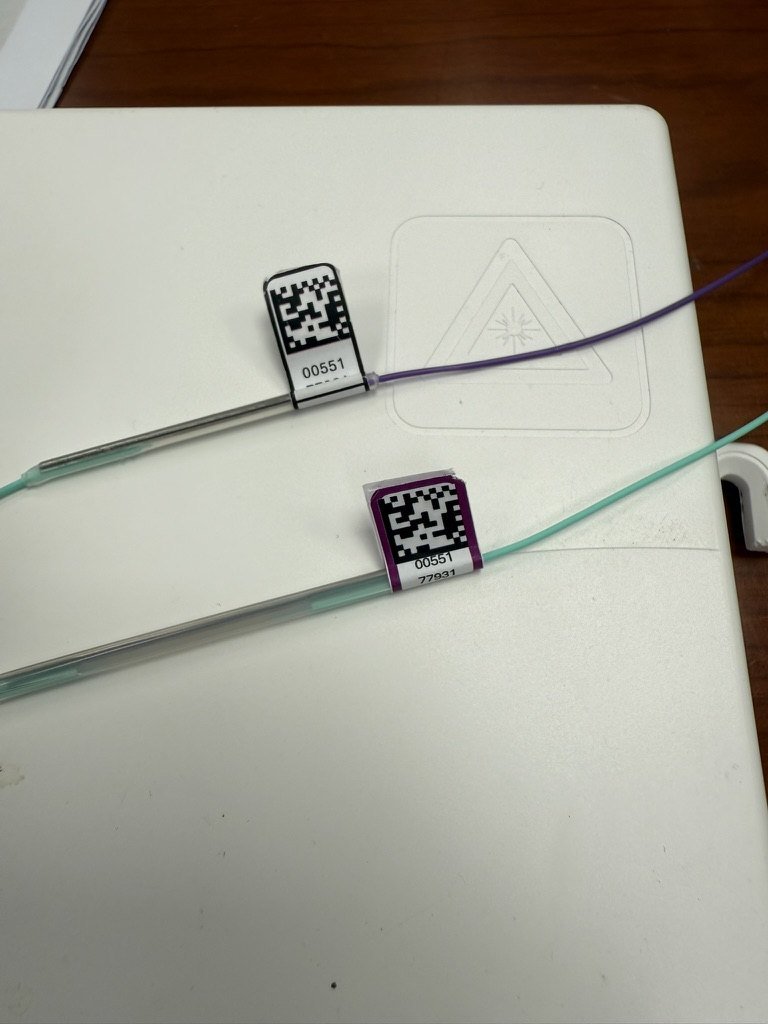
The coded tag is the link between the physical splice and its record. Rather than relying on a written description of where a splice sits in a closure or chamber, the engineer uses the tag and the app to associate the information captured on site with that specific asset. The record is created as part of the job, not typed up afterwards from memory.
Answering the questions that matter later
For network operators, the value lies in being able to answer straightforward questions: where is the splice, when was it tested, and what did the test show? For contractors, the same record provides supporting evidence of the work completed.
Those questions come up at different points in a network’s life. During an audit, a quality team may want to sample completed work and see the supporting evidence. When a fault is investigated, knowing whether a splice passed its check at installation helps narrow down where to look. When a section of network is extended or modified, the existing record gives the next engineer useful context before they open a closure.
For contractors, a retrievable record also changes the conversation about workmanship. Instead of relying on recollection, they can point to the check that was carried out and the result it produced at the time.
Making documentation part of the job
Rather than treating testing and documentation as separate activities, the aim is to capture useful information as part of the normal installation process.
Documentation that depends on extra effort at the end of a busy day is often the first thing to slip. When the record is created by the same steps that complete the test, it is more likely to be complete, consistent and attached to the right asset. It also means less administration for engineers and supervisors, who can spend that time on the work itself.
This approach reflects a broader principle behind SkillsBase’s products: a field tool should do more than produce a result. It should help turn that result into information that engineers, supervisors and network owners can use.
To find out how the Splice Fault Detector and companion app can support your fibre quality and record-keeping requirements, contact the SkillsBase team.